Early detection is the key to oral cancer treatment: only about half of people diagnosed survive five years, largely because the disease is found late, even though it usually starts where a dentist can see it. Risk is higher with tobacco, heavy drinking, sun exposure, HPV infection and age, so we screen for oral cancer during your exams at Winchester Dental Studio.
So, who’s at risk for oral cancer?
Anyone can develop oral cancer, but some people are at a higher risk. These high-risk groups include those over the age of 50 and men, who are twice as likely as women to develop the disease. Smoking or chewing smokeless tobacco products, consuming alcohol excessively, and constant exposure to the sun at a young age are also risk factors.
How is oral cancer detected?
The doctor and our team at Winchester Dental Studio suggest our patients perform a monthly self-examination to check for unusual red or white patches, sores, lumps, or thickenings anywhere inside the mouth, on the lips, or in the throat and neck area.
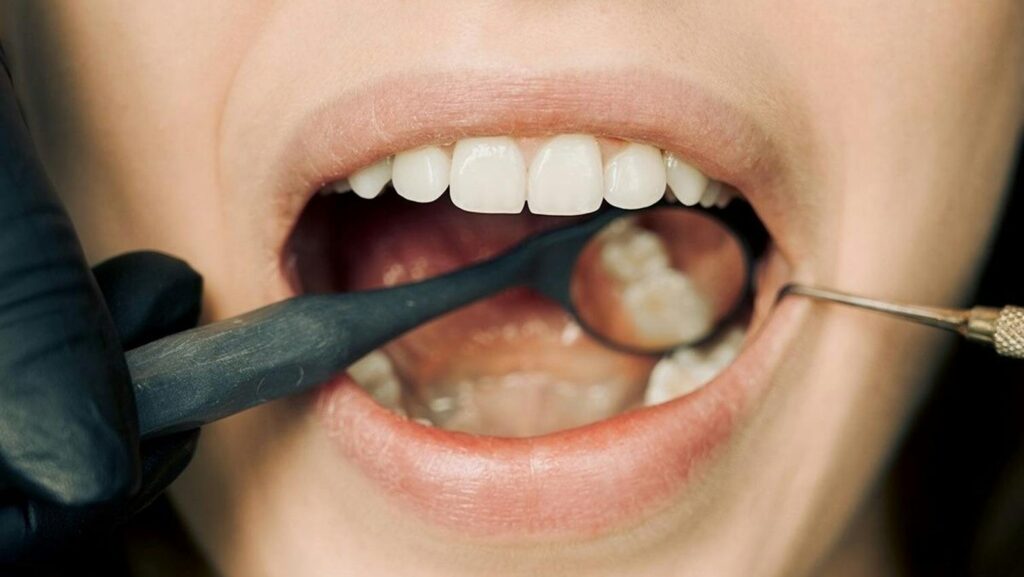
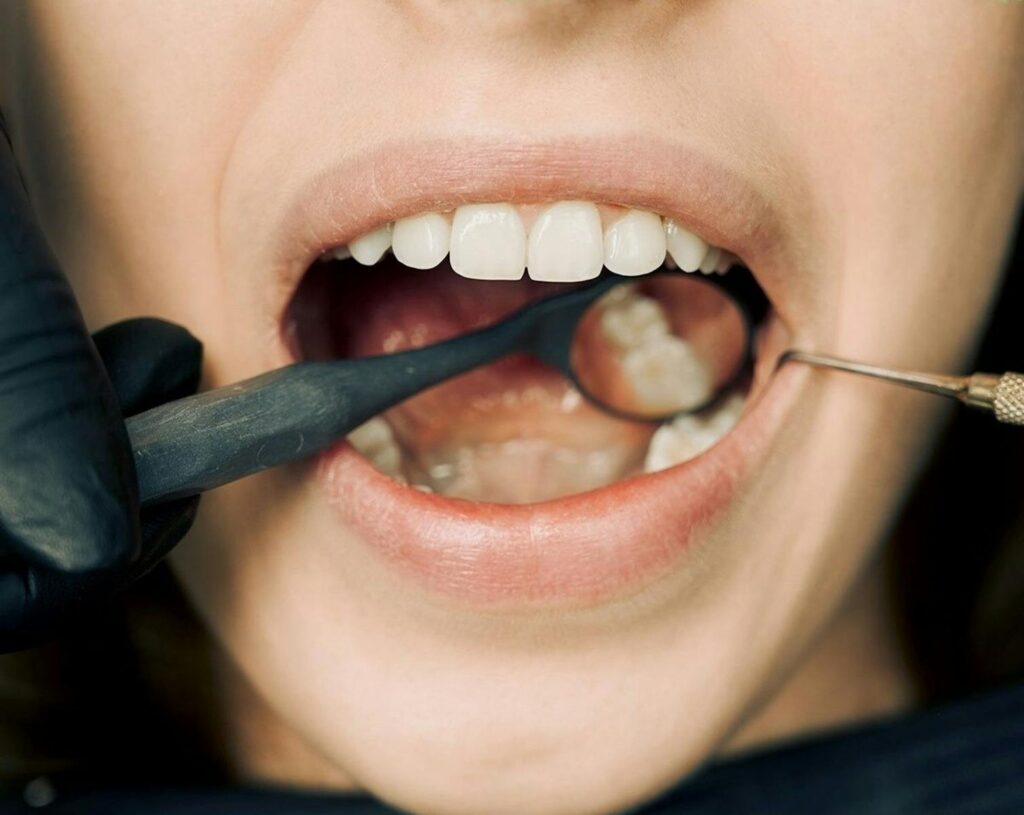
We encourage you to give us a call at our convenient Winchester, Virginia office if you find any of these symptoms or if you have trouble swallowing or experience a chronic sore throat and hoarseness. During your visit, the doctor will inspect the oral tissues and neck to determine if abnormalities are present.
What happens if oral cancer is detected?
If we find abnormal tissue during your visit, a biopsy is needed, and the sample is sent to a lab to check for cancerous or precancerous cells. If cancer is diagnosed, treatment may include surgery, chemotherapy or radiation, and our team will work with your oncologist and medical team to care for your mouth during and after treatment.
Finding out you have oral cancer can be devastating news. If you are concerned that you might be at risk for developing oral cancer, talk to us about screenings and other things you can do to reduce your risk. Through a routine visual inspection, the doctor and our team at Winchester Dental Studio can often detect premalignant abnormalities and cancer at an early stage when treatment is both less expensive and more successful, and can potentially save your life. Ask us about a screening during your next visit!