Dental crown services in Winchester, VA restore a cracked, decayed or weakened tooth by covering it with a custom cap that matches your other teeth, so you can chew comfortably and smile without hiding it. Without treatment, a damaged tooth can break further or become infected and need a root canal or an extraction.
The Problem with a Damaged Tooth: More Than a Cosmetic Issue
A single damaged tooth can create a cascade of problems. A tooth that is significantly decayed, cracked, or weakened from a large filling is structurally unsound. This weakness can make it difficult to chew your food properly, leading to digestive issues and nutritional deficiencies. Furthermore, a damaged tooth is more susceptible to infection and further breakage. If left untreated, the problem could escalate, potentially leading to the need for a root canal or even a tooth extraction. Addressing a compromised tooth promptly with a dental crown is not just about aesthetics; it’s about preserving your oral health and preventing more complex issues in the future.
Understanding Dental Crowns: A Long-Lasting Fix for Damaged Teeth
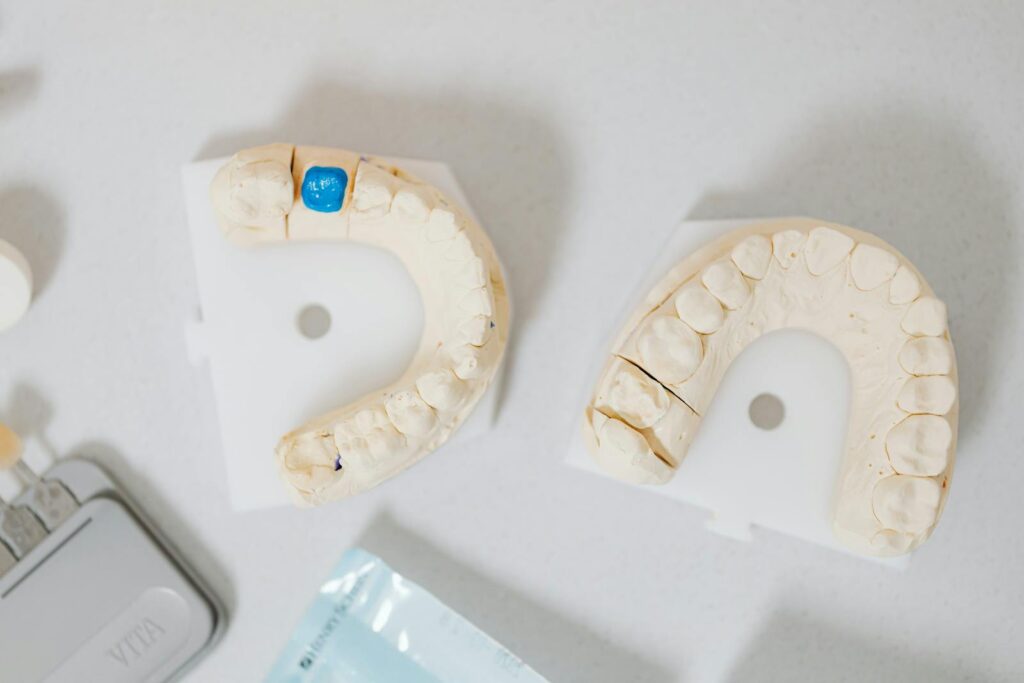
A dental crown is a tooth-shaped “cap” that is placed over a damaged tooth to restore its shape, size, strength, and appearance. Think of it as a custom-made helmet for your tooth, providing 360-degree protection. When you’re looking for expert dental crown services Winchester VA, it’s important to understand the versatility and benefits of this common dental procedure.
The Primary Benefit: Strength and Protection
The most significant advantage of a dental crown is its ability to restore the strength and integrity of a damaged tooth. By encasing the entire visible portion of the tooth, a crown holds it together, preventing further fractures. This allows you to bite and chew with confidence, without the fear of causing more damage. A crown effectively gives your weakened tooth a new lease on life.
When is a Dental Crown Necessary? Common Scenarios
Your dentist might recommend a dental crown for a variety of reasons. Here are some of the most common situations where a crown is the ideal solution:
- To protect a weak tooth: A tooth that has been weakened by extensive decay may need a crown to prevent it from breaking.
- To restore a broken or severely worn tooth: Crowns can rebuild the structure of a tooth that has been fractured or worn down over time.
- To cover and support a tooth with a large filling: When a tooth has a large filling, there isn’t much of the natural tooth left, making it vulnerable. A crown provides the necessary support.
- To hold a dental bridge in place: Crowns are used on the teeth adjacent to a gap to anchor a dental bridge.
- To cover a misshapen or severely discolored tooth: For cosmetic purposes, a crown can dramatically improve the appearance of a tooth.
- To cover a dental implant: A crown is the final step in the dental implant process, providing a natural-looking and functional replacement tooth.
- Following a root canal treatment: A tooth that has undergone a root canal is often more brittle and requires the protection of a crown.
The Impact on Your Life: A Renewed Sense of Confidence
The “business” of your daily life, from professional presentations to social interactions, is greatly influenced by your confidence. A beautiful, healthy smile can be a significant asset. A dental crown can eliminate the self-consciousness that comes with a damaged tooth, allowing you to smile freely and engage with others without hesitation. This boost in confidence can have a ripple effect, positively impacting your personal and professional relationships.
Types of Dental Crowns: Finding the Perfect Fit for Your Smile
Dental crowns can be made from a variety of materials, and the best choice for you will depend on the location of the tooth, your aesthetic preferences, and your budget. Here’s a look at some of the most common options:
|
Crown Material |
Advantages |
Considerations |
|
Porcelain/Ceramic |
Excellent natural color match, ideal for front teeth. |
Can be less durable than metal crowns. |
|
Zirconia |
Extremely strong and durable, good aesthetic match. |
Can be more difficult to adjust. |
|
Porcelain-Fused-to-Metal |
Strong and durable with a good cosmetic appearance. |
The metal may show as a dark line at the gumline. |
|
Gold and Metal Alloys |
Highly durable, gentle on opposing teeth. |
The metallic color is a significant cosmetic drawback for most. |
Export to Sheets
The Dental Crown Procedure: What to Expect
The process of getting a dental crown typically involves two visits to your dentist.
- The First Visit: Preparation and a Temporary Crown
- Your dentist will examine and prepare the tooth. This involves reshaping the tooth to make room for the crown.
- An impression of your prepared tooth and the surrounding teeth is taken. This impression is sent to a dental laboratory where your custom crown will be made.
- A temporary crown is placed over the prepared tooth to protect it while your permanent crown is being fabricated.
- The Second Visit: Placing Your Permanent Crown
- The temporary crown is removed, and the fit and color of the permanent crown are checked.
- If everything is perfect, the new crown is permanently cemented in place.
Caring for Your Dental Crown: Ensuring Longevity
With proper care, a dental crown can last for many years. Here are some tips to keep your crown in excellent condition:
- Practice good oral hygiene: Brush twice a day, floss daily, and pay special attention to the area where the gum meets the crown.
- Avoid hard foods: Chewing on hard foods, ice, or hard candy can damage your crown.
- Regular dental check-ups: Visit your dentist for regular dental check-ups and cleanings to ensure your crown and the underlying tooth remain healthy.
The Winchester Dental Studio Advantage: Why We Are the Best
We provide dental care for patients in Winchester and nearby communities, and many of our patients have been with us for years.
Our team places dental crowns regularly and uses digital imaging to plan a crown that fits well and looks natural. We’ll explain all your options before treatment, and we also offer cosmetic dentistry and other restorative care.
Conclusion
A dental crown can restore the strength of a damaged tooth and improve how it looks. Knowing the process and the types of crowns helps you decide, and choosing an experienced dental team helps you get a good result.
Call to Action
If you have a damaged, decayed or discolored tooth, schedule a consultation at Winchester Dental Studio. We’ll examine the tooth and tell you whether a crown is the right treatment.