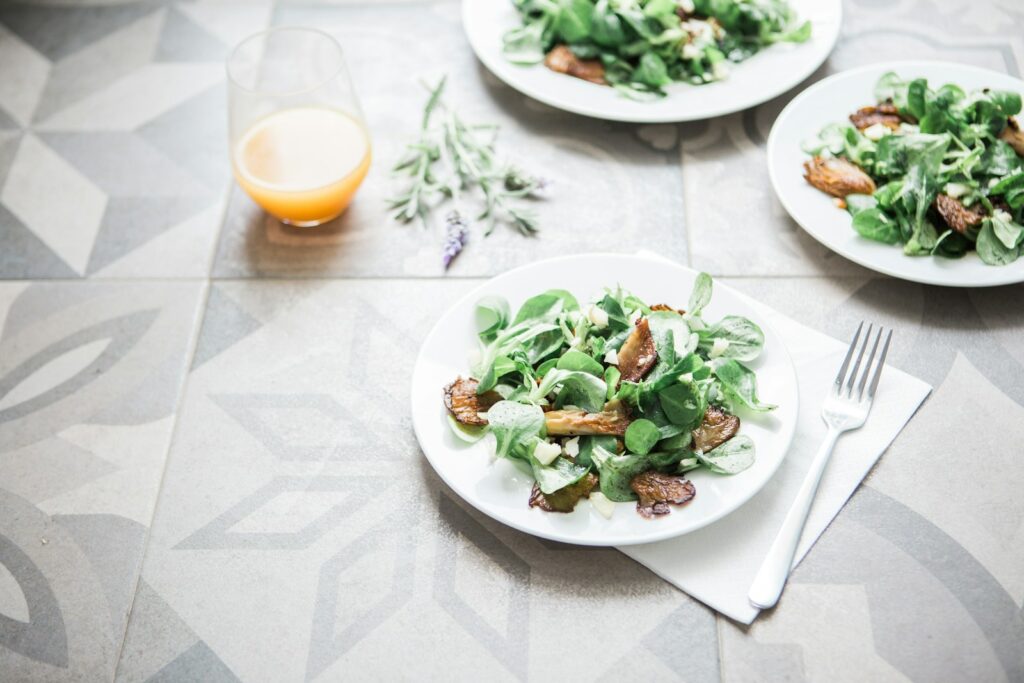
Detergent foods are firm or crunchy foods, like apples, carrots and celery, that help clean your teeth while you eat: chewing them scrubs your tooth surfaces and increases saliva, your mouth’s natural defense against acid.
The Top Natural Scrubbers
Incorporating these items at the end of a meal can help sweep away lingering food particles:
- Apples and Pears: Often called “nature’s toothbrushes” due to their fibrous texture.
- Carrots and Celery: Their crispness helps massage gum tissue and scrape away plaque.
- Cucumbers and Lettuce: High water content combined with a crunchy snap.
- Cheese: Unlike the others, cheese helps by neutralizing mouth acid and providing calcium to remineralize enamel.
- Popcorn: (Unsalted/Unsweetened) acts as a gentle abrasive.
By eating these as the final part of your meal, you bring your mouth’s pH back to an optimal 7.0 (neutral), helping to halt the demineralization process that leads to cavities.
The Worst Offenders: Sticky and Acidic Foods
On the opposite end of the spectrum are foods that create a “perfect storm” for decay. These items provide the simple carbohydrates (sugars) that oral bacteria use to produce enamel-eroding acid.
- The List: Cookies, cakes, breads, chips, crackers, soft drinks, and dried fruits.
- The Problem: These foods are highly “sticky.” They adhere to the grooves of your molars and between teeth, where they don’t rinse away easily with water or saliva.
- The Frequency Factor: Sipping a soda or snacking on crackers throughout the day is much more damaging than consuming them in one sitting. Frequent grazing prevents your saliva from ever reaching a neutral pH, allowing bacteria to flourish indefinitely.
How to Use Detergent Foods Strategically
You can be proactive in protecting your enamel by making small tweaks to your eating habits:
- The “Final Bite” Rule: Finish your lunch or dinner with a slice of apple or a celery stick. This helps “scrub” the sugars from the previous courses off your teeth.
- Base Your Snacks on Crunch: When reaching for a mid-day snack, choose a detergent food. It provides a “natural toothbrush” effect between your morning and evening brushing sessions.
- Rinse After Sticky Treats: If you do indulge in a sticky carbohydrate, follow it immediately with water or a crisp detergent food to minimize the time the sugar sits on your enamel.
| Detergent Food | Primary Benefit | Best Used As… |
| Carrots | Mechanical Scrubbing | Mid-day snack |
| Cheese | pH Neutralization | End of a meal |
| Apples | Saliva Stimulation | Dessert replacement |
| Celery | Flossing effect (fibrous) | Post-lunch “rinse” |
The Winchester Dental Studio Advantage
At Winchester Dental Studio, we serve families from Boyce Town, Clear Brook, Gainesboro, and Hayfield with an authoritative and reliable approach to oral health. During your regular Dental Check-up, our experienced team looks for the signs of dietary erosion and can offer personalized “detergent food” recommendations based on your unique dental history.
Whether you need a routine cleaning or cosmetic dentistry to repair old damage, we’ll give you practical advice that fits your daily life.
Conclusion: A Supplement to Your Routine
While detergent foods are a fantastic tool, they are not a substitute for brushing twice a day and flossing. Your teeth still require the professional touch of a dentist and the daily use of fluoride toothpaste to stay at their strongest.
Are you curious about how your diet is affecting your oral health? Winchester Dental Studio – Accepting New Patients right now! Contact us today to schedule an appointment at our Winchester, Virginia office and let our experts help you build a menu for a lifetime of healthy smiles.